

To maximize accuracy with a benchtop centrifuge, choose a rotor and adapters matched to sample type, tube format, and required RCF. Load tubes symmetrically, use balance tubes, and seal caps to prevent leaks and aerosols. Set RPM based on rotor radius or specified RCF Micro centrifuge, and time runs to avoid overheating or pellet damage. Calibrate RPM, verify timers, and log performance and maintenance. Follow routine inspection and cleaning for reliable results, and further practical guidance is available.
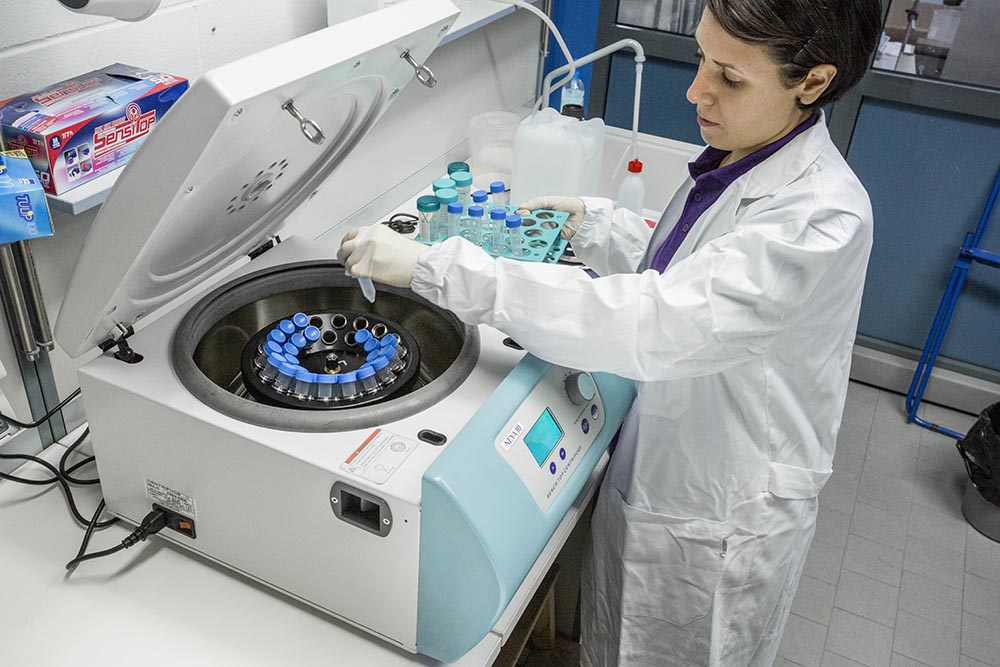
Choose the Right Rotor & Adapters for Your Benchtop Centrifuge
Which rotor best matches the application depends on sample type, desired speed, and tube format. The writer notes that fixed-angle rotors suit rapid pelleting and compact footprints, while swing-bucket rotors favor clear phase separation and even layering.
Adapters extend compatibility, allowing microtubes, PCR strips, or larger tubes to coexist without forcing compromises Lab Allianc. Material choice—aluminum for lightness, titanium or stainless steel for durability and chemical resistance—affects maintenance and permissible g-forces.
Balance adapter dimensions to guarantee secure seating and correct radius, as small mismatches alter RCF. Manufacturers’ limits dictate safe combinations; adherence preserves calibration and operator autonomy.
Selecting the proper rotor and adapters empowers users to run diverse protocols confidently, maintaining accuracy and operational freedom.
Load Centrifuge Tubes to Prevent Imbalance and Contamination
Proper loading of centrifuge tubes minimizes imbalance and prevents cross-contamination by ensuring equal mass distribution, secure sealing, and correct orientation in the rotor.
The operator pairs tubes opposite each other or uses balance tubes filled to matching volumes when samples are uneven. Caps are tightened to avoid leaks; sealed tubes or secondary containment prevent aerosols and spills. Tubes of the same type and length are used together to maintain center-of-mass symmetry. Visible defects or cracks are discarded.
When adapters are required, they are placed firmly and checked for snug fit. Hands-free handling tools reduce contamination risk. Before closing the lid, a brief visual inspection confirms alignment and cleanliness, allowing the centrifuge to run safely and yield reliable results.

Set Centrifuge Speed (RPM/RCF) and Run Time for Your Application
When selecting centrifuge speed and run time, the operator balances desired particle separation with rotor specifications and sample integrity. Converting between RPM and relative centrifugal force (RCF) as needed and consulting protocol-specific g-force and duration targets are essential steps.
The operator chooses RPM or RCF based on rotor radius, calculates equivalent settings, and limits speed to rated rotor and tube tolerances.
Run time is set to achieve clear phase separation without overheating or compacting pellets; empirical adjustments are made across trials.
Safety margins are important to preserve equipment and samples.
Documentation of chosen parameters enables reproducibility and freedom to iterate protocols.
- Convert RPM↔RCF with the rotor radius formula
- Respect rotor and tube maximum ratings
- Start with protocol-recommended g and time
- Monitor sample temperature and consistency
- Record settings and outcomes
Quick Calibration & Performance Checks to Confirm Accuracy
Although routine speed and time settings guide everyday use, quick calibration and performance checks are essential to confirm that a benchtop centrifuge delivers the expected RCF and maintains balance, temperature, and run-to-run repeatability.
Operators should perform simple speed verification using a tachometer or reference rotor and compare measured RPM to set values, converting to RCF for the rotor radius. Verify timer accuracy with a stopwatch.
Run a balance check with matched tubes and visual vibration assessment; imbalances require immediate attention. For refrigerated models, confirm temperature with an independent probe at operating conditions.
Repeat a short test run daily or before critical assays to document consistency. Record results concisely to allow independent verification and preserve operational freedom through reliable, repeatable performance.
Maintain Your Centrifuge and Troubleshoot Common Problems
How should routine maintenance be organized to prevent downtime and guarantee accurate results? Regular inspections, scheduled cleaning, and logged service keep the centrifuge reliable.
Components subject to wear—rotors, seals, bearings—require periodic checks and prompt replacement. Troubleshooting follows clear diagnostics: vibration, imbalance, unexpected stops, and temperature drift each have standard causes and fixes.
Empower operators with concise manuals and freedom to halt runs when anomalies appear; quick response preserves samples and accuracy.
- Inspect rotors and buckets before each run for cracks or corrosion
- Clean chamber and rotor surfaces with approved agents weekly
- Balance loads precisely and verify with test spins monthly
- Record performance metrics and maintenance actions in a log
- Replace worn parts per manufacturer intervals or after incident-induced stress
Conclusion
Consistent accuracy with a benchtop centrifuge depends on deliberate choices and routine care. Selecting appropriate rotors and adapters, balanced loading to avoid imbalance and contamination, and setting correct speed and run time establish reliable separation. Regular quick calibrations and performance checks verify settings, while preventive maintenance and prompt troubleshooting preserve function. Adherence to these practices minimizes variability, extends instrument life, and guarantees reproducible, safe results across diverse laboratory applications.


